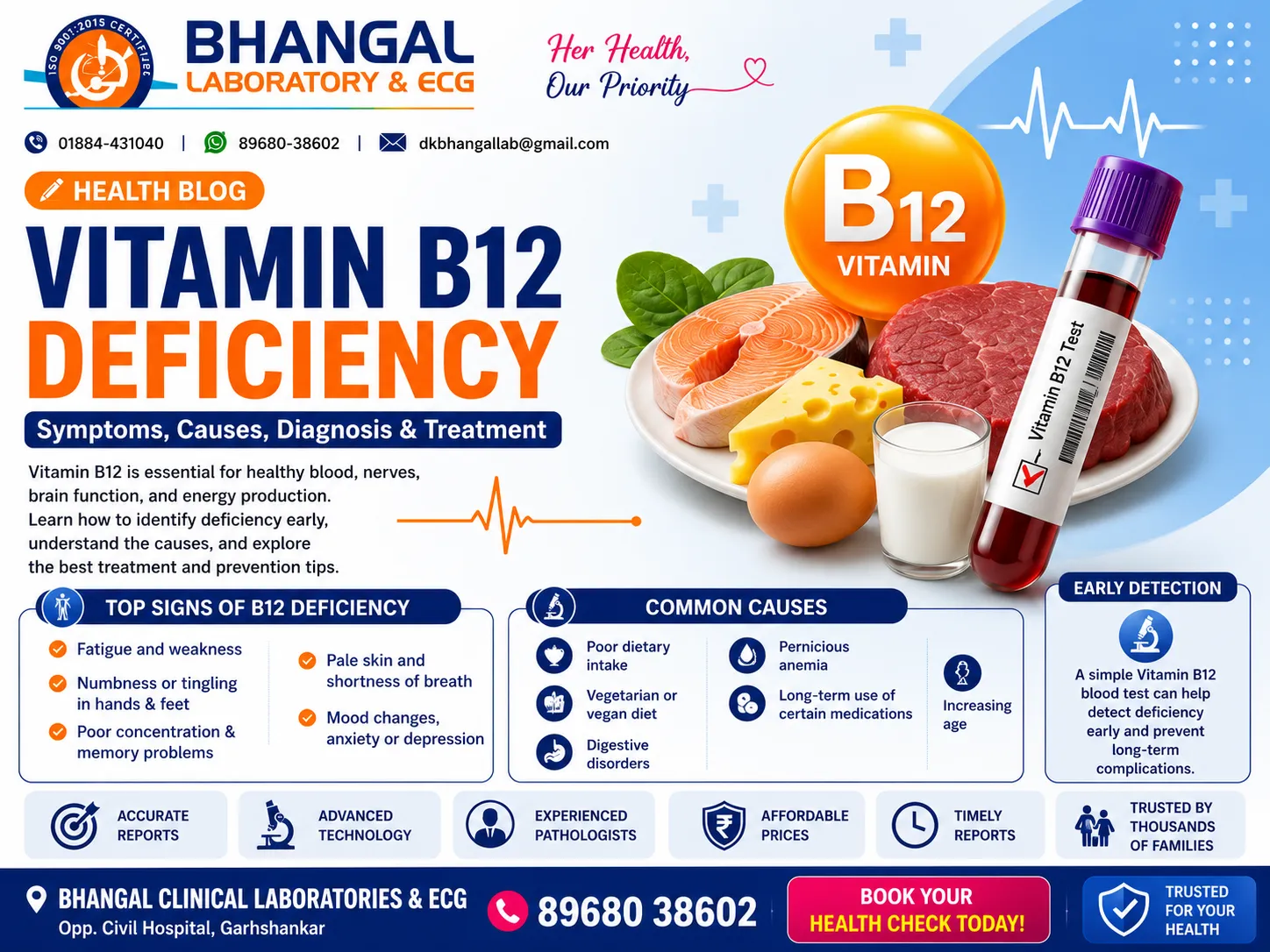

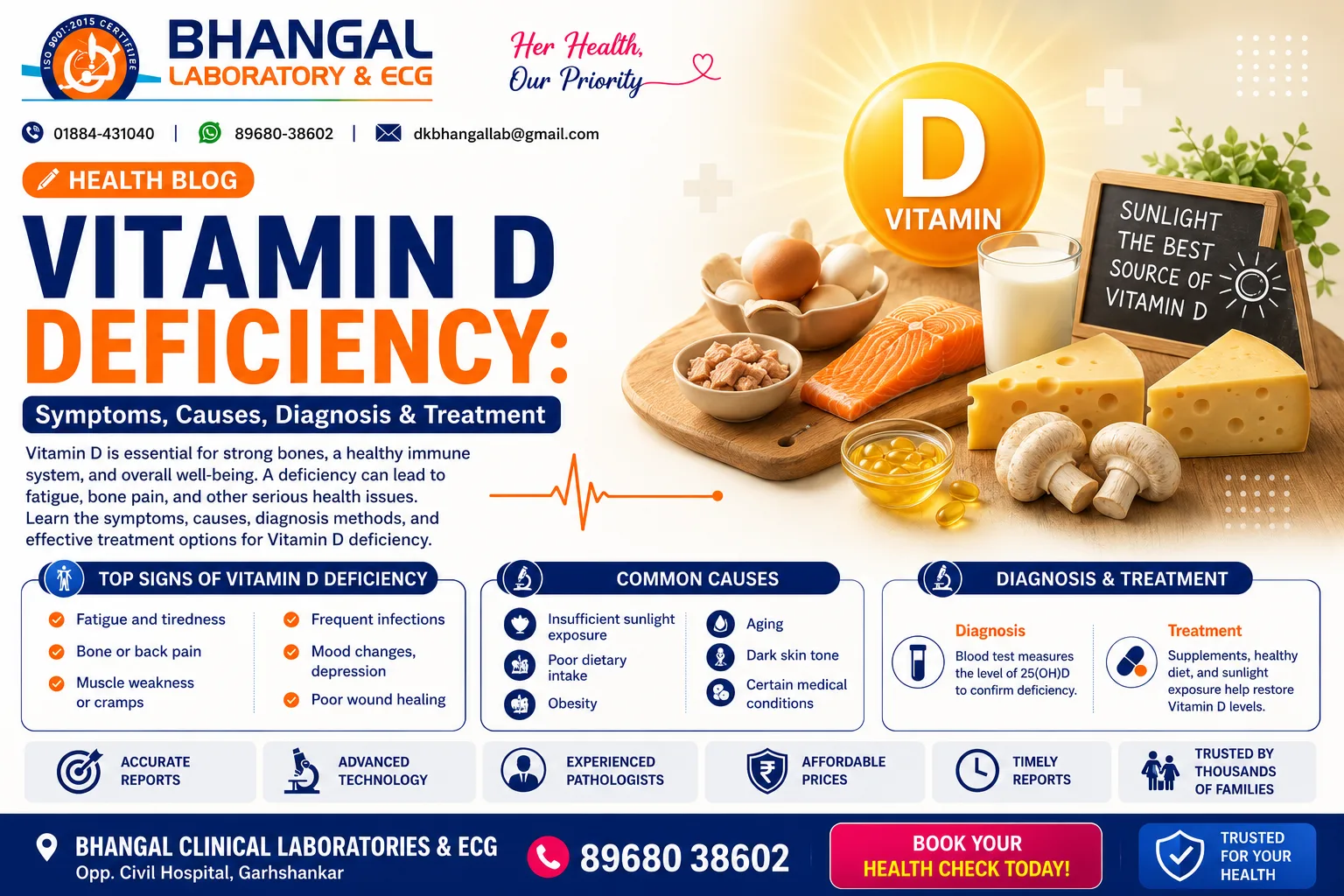
Vitamin D deficiency is one of the most common nutritional deficiencies worldwide. Vitamin D plays a vital role in maintaining healthy bones, muscles, teeth, and a strong immune system. Despite abundant sunlight in many regions, a large number of people still experience low Vitamin D levels because of indoor lifestyles, poor dietary intake, increasing use of sunscreen, aging, and certain medical conditions. Since the symptoms often develop gradually, many people remain unaware of the deficiency until it begins affecting their daily lives. Early diagnosis through a simple blood test can help prevent complications and improve overall health.
What is Vitamin D?
Vitamin D is a fat-soluble vitamin that helps the body absorb calcium and phosphorus, two essential minerals responsible for strong bones and healthy teeth. It also contributes to muscle function, nerve communication, and immune defense. The body naturally produces Vitamin D when the skin is exposed to sunlight, but it can also be obtained through food and supplements. Maintaining adequate Vitamin D levels is important for people of all ages, from growing children to older adults.
Symptoms of Vitamin D Deficiency
The signs of Vitamin D deficiency may vary from person to person. Some individuals experience no symptoms at all, while others develop noticeable health problems. Persistent deficiency may affect physical performance, bone strength, and immunity.
- Persistent tiredness and fatigue
- Bone or lower back pain
- Muscle weakness
- Frequent infections
- Slow wound healing
- Hair loss
- Mood changes or depression
- Difficulty climbing stairs
- Joint discomfort
- Poor bone density
Health Tip
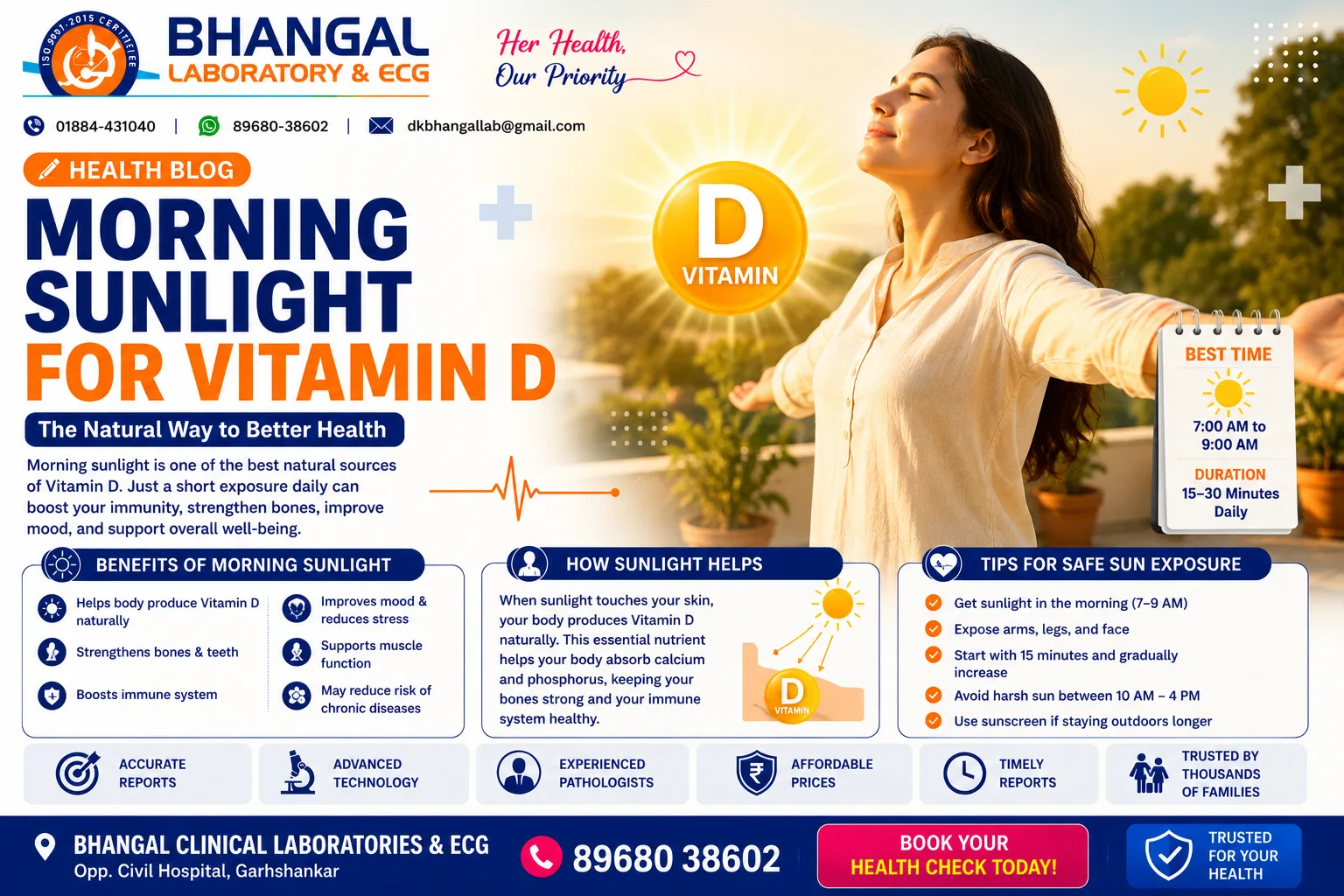
Morning sunlight exposure for 15–20 minutes several times a week may help your body naturally produce Vitamin D.
Common Causes of Vitamin D Deficiency
Several lifestyle and medical factors can contribute to low Vitamin D levels. Understanding these causes helps individuals take preventive measures before serious complications develop.
- Limited exposure to sunlight
- Working indoors for long hours
- Regular use of sunscreen
- Darker skin pigmentation
- Poor dietary intake
- Obesity
- Kidney or liver disorders
- Digestive diseases affecting nutrient absorption
- Increasing age
- Pregnancy and breastfeeding
Who is at Higher Risk?
Certain individuals have a greater risk of developing Vitamin D deficiency. Older adults produce less Vitamin D through the skin, while infants who are exclusively breastfed may not receive adequate amounts unless supplementation is recommended. Individuals with chronic kidney disease, liver disease, obesity, inflammatory bowel disease, or those following strict vegetarian diets may also require closer monitoring of their Vitamin D levels.
How is Vitamin D Deficiency Diagnosed?
The most reliable way to diagnose Vitamin D deficiency is through a 25-hydroxy Vitamin D blood test. This laboratory test measures the amount of Vitamin D circulating in the bloodstream and helps healthcare professionals determine whether your levels are adequate, insufficient, or deficient. Based on the results, your doctor may recommend dietary changes, supplements, or further investigations if an underlying medical condition is suspected.
Important
Avoid taking high-dose Vitamin D supplements without proper medical advice. Excess Vitamin D may lead to unwanted side effects and should only be taken according to professional recommendations.
Best Food Sources of Vitamin D
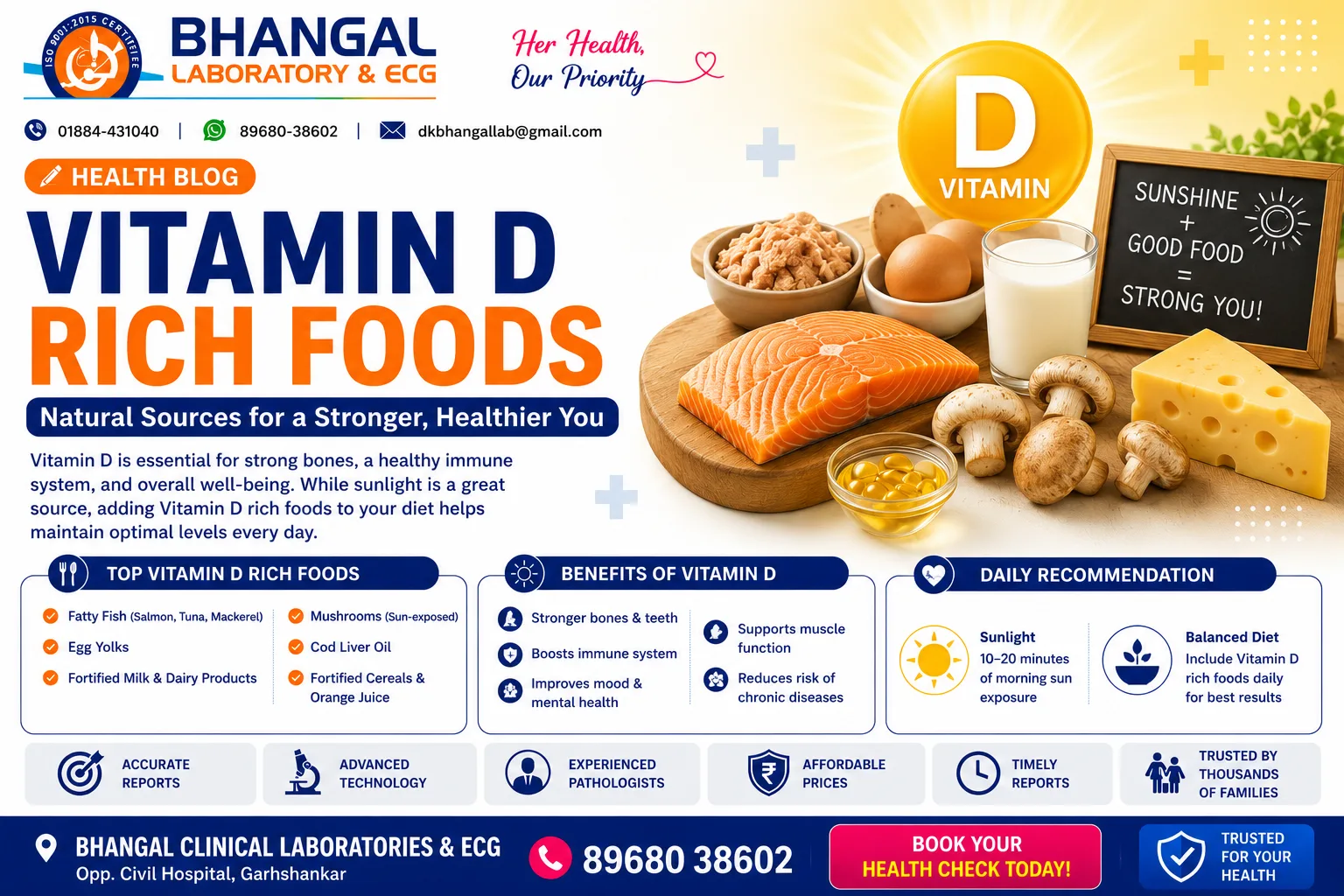
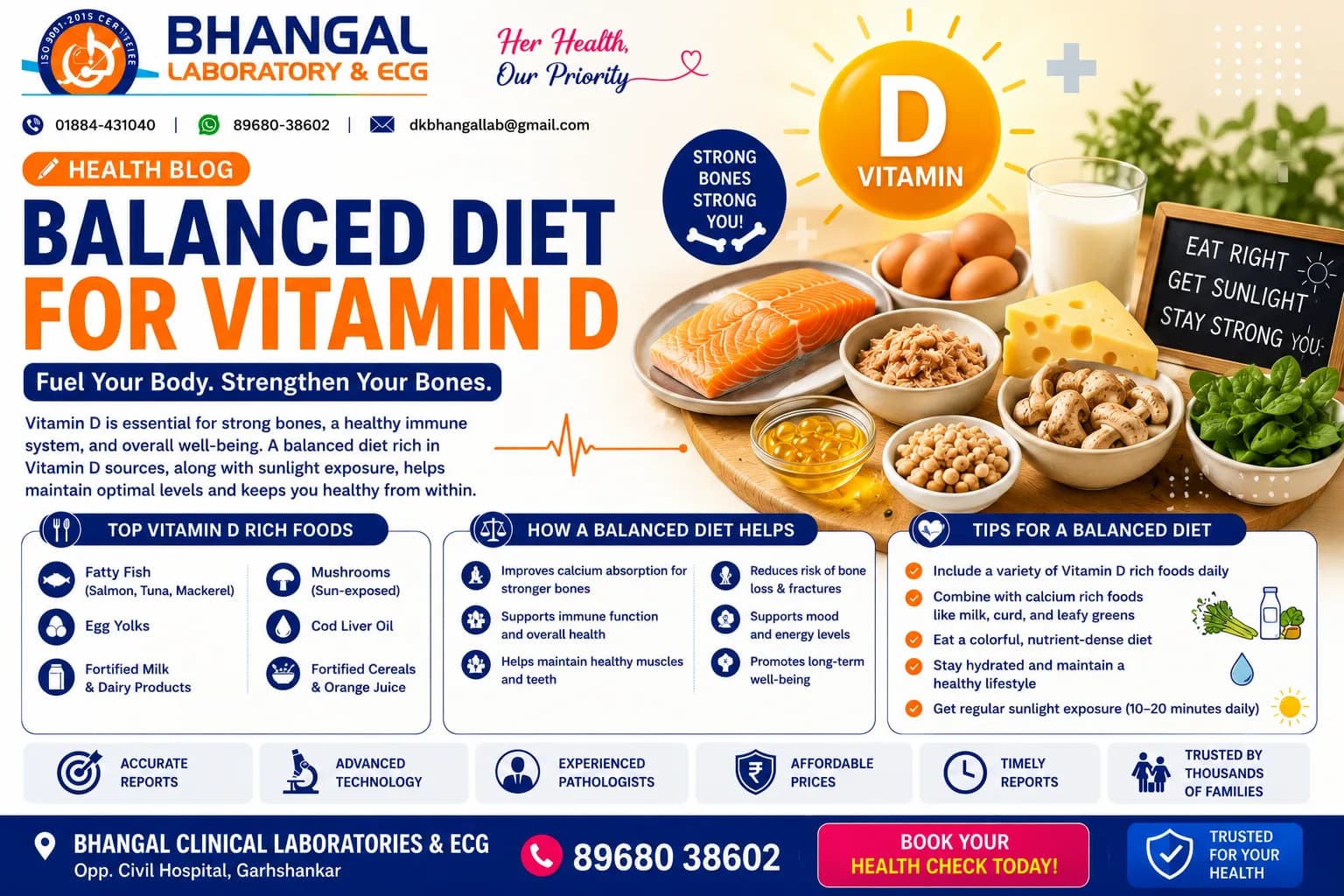
Although sunlight is the primary natural source of Vitamin D, several foods can also contribute to maintaining healthy levels. Including these foods regularly in your diet supports overall wellness.
- Fatty fish such as salmon and sardines
- Egg yolks
- Fortified milk
- Fortified cereals
- Cheese
- Mushrooms exposed to sunlight
- Fortified yogurt
Treatment Options
Treatment depends on the severity of the deficiency and the individual's overall health. Mild deficiencies may improve with dietary changes and increased sunlight exposure, while moderate to severe deficiencies often require Vitamin D supplements. Regular monitoring through blood tests helps ensure that Vitamin D levels return to the recommended range and remain stable over time.
How to Prevent Vitamin D Deficiency
Maintaining healthy Vitamin D levels is often easier than treating a long-standing deficiency. A combination of healthy lifestyle habits and routine health checkups can significantly reduce your risk.
- Spend time outdoors regularly
- Eat Vitamin D-rich foods
- Exercise consistently
- Maintain a healthy body weight
- Get routine health checkups
- Consult your doctor before using supplements
Key Takeaway
Vitamin D deficiency is common but easily manageable when detected early. Regular blood testing, balanced nutrition, healthy lifestyle habits, and timely medical guidance help maintain optimal Vitamin D levels and support lifelong bone, muscle, and immune health.
Conclusion
Vitamin D is essential for maintaining healthy bones, muscles, and immunity. Because deficiency often develops silently, regular health screening plays an important role in early detection. If you frequently experience fatigue, muscle weakness, bone pain, or recurrent infections, consulting a healthcare professional and undergoing a Vitamin D blood test can provide valuable insight into your overall health. Early diagnosis and appropriate treatment can help prevent long-term complications and improve quality of life.
Common Questions
Find answers to the most commonly asked questions about this health topic.
Limited sun exposure, poor diet, obesity, aging, and certain medical conditions can contribute to Vitamin D deficiency.
A blood test measuring 25-hydroxy Vitamin D is commonly used to diagnose deficiency.
Yes. Adequate sunlight exposure, a balanced diet, and medical advice regarding supplements can help prevent deficiency.
Related Health Packages
Based on this article, these diagnostic tests and preventive health packages may help you better understand your health. Always consult a qualified healthcare professional before choosing any laboratory test or health package.
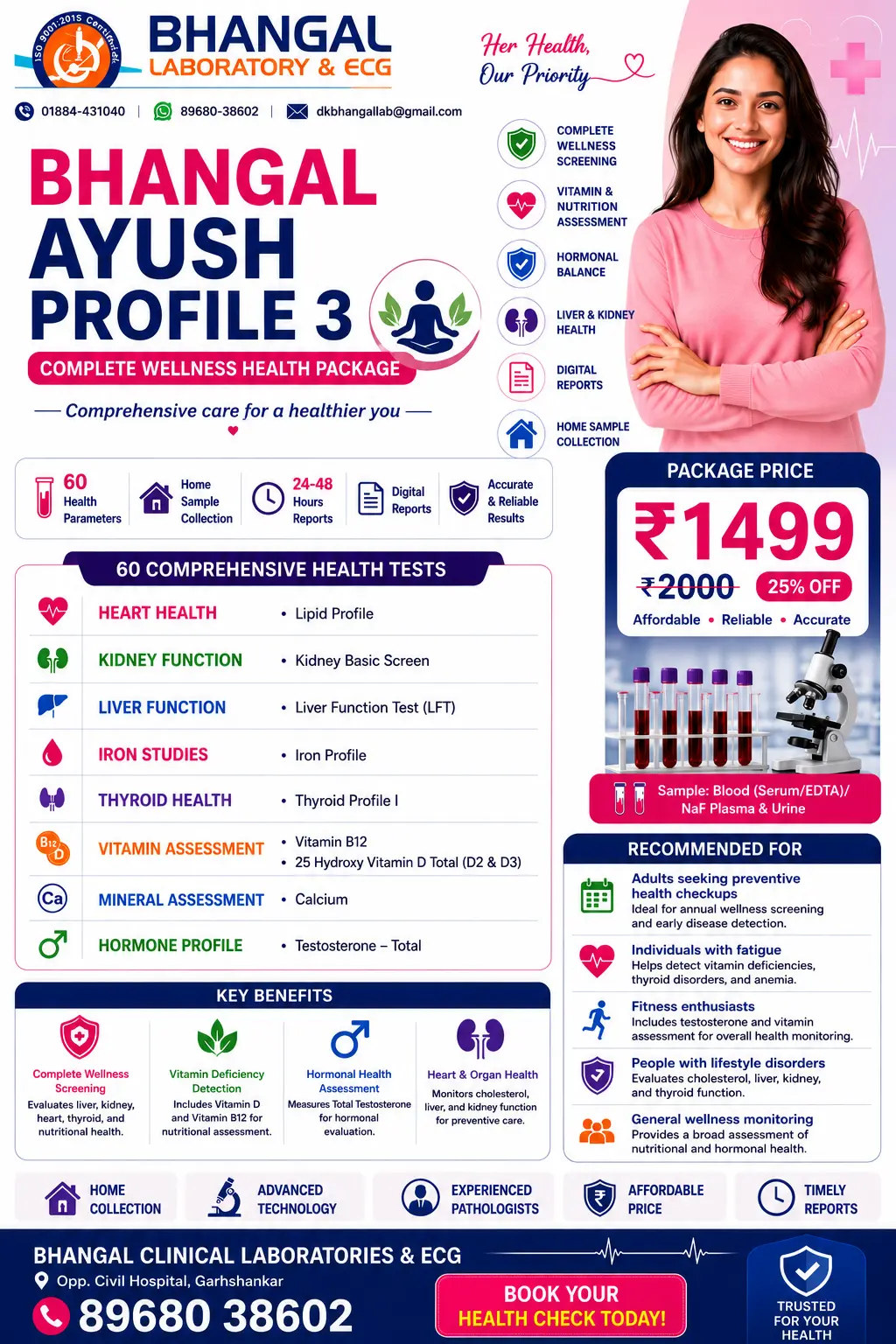
Bhangal Ayush Profile 3
Starting From
₹1499
₹2000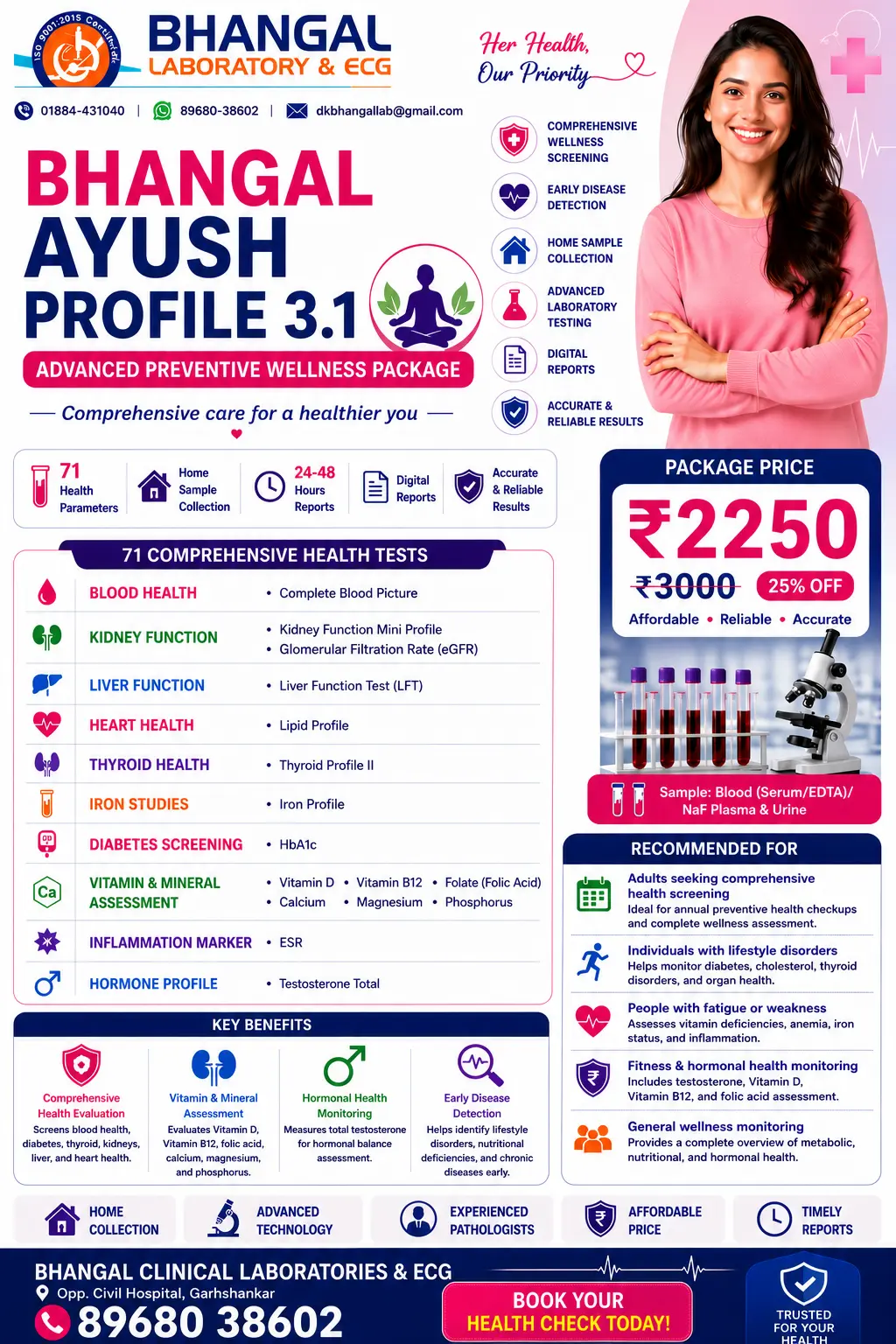
Bhangal Ayush Profile 3.1
Starting From
₹2250
₹3000
BCL 4.0 Female Complete Women's Health Package
Starting From
₹2999
₹4999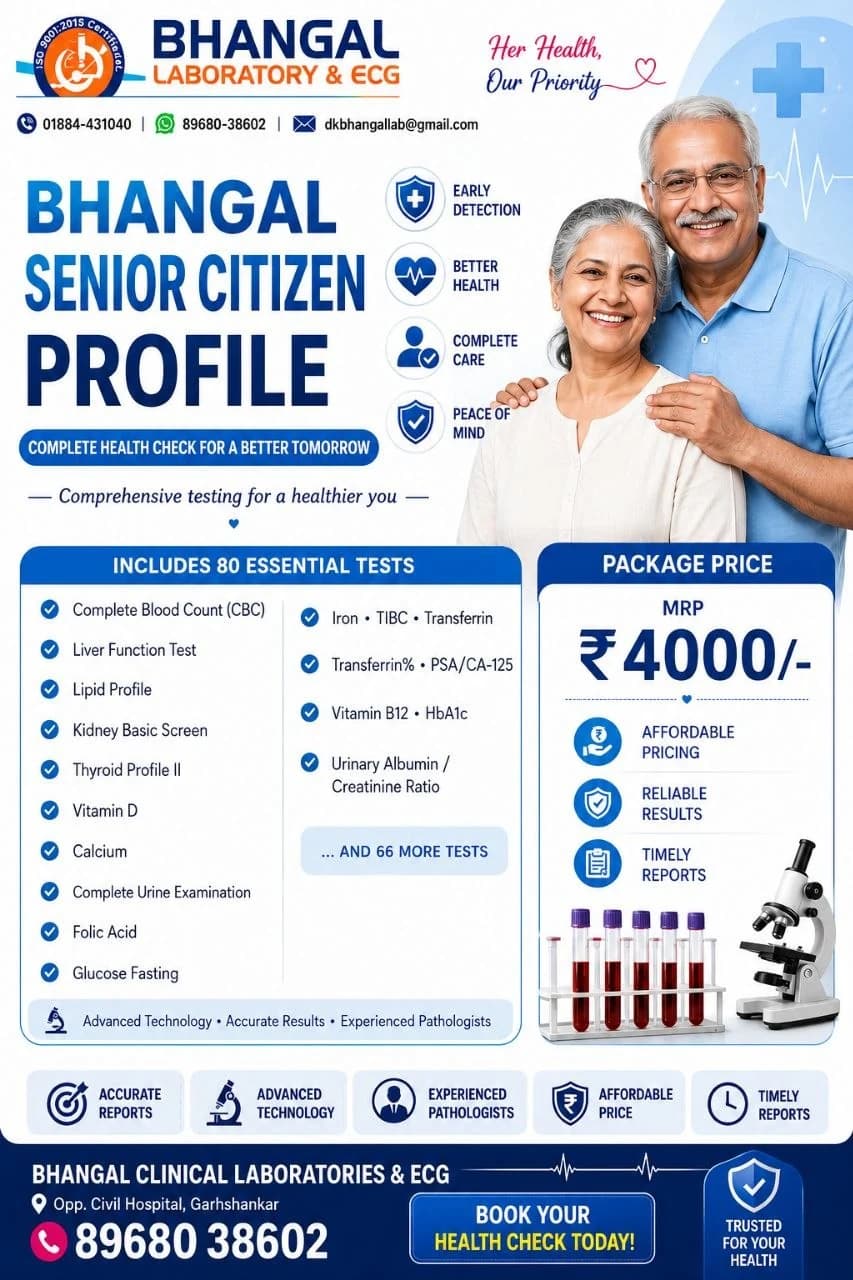
Bhangal Senior Citizen Profile
Starting From
₹2999
₹4000
BCL MED Pro 65 Package
Starting From
₹3000
₹4999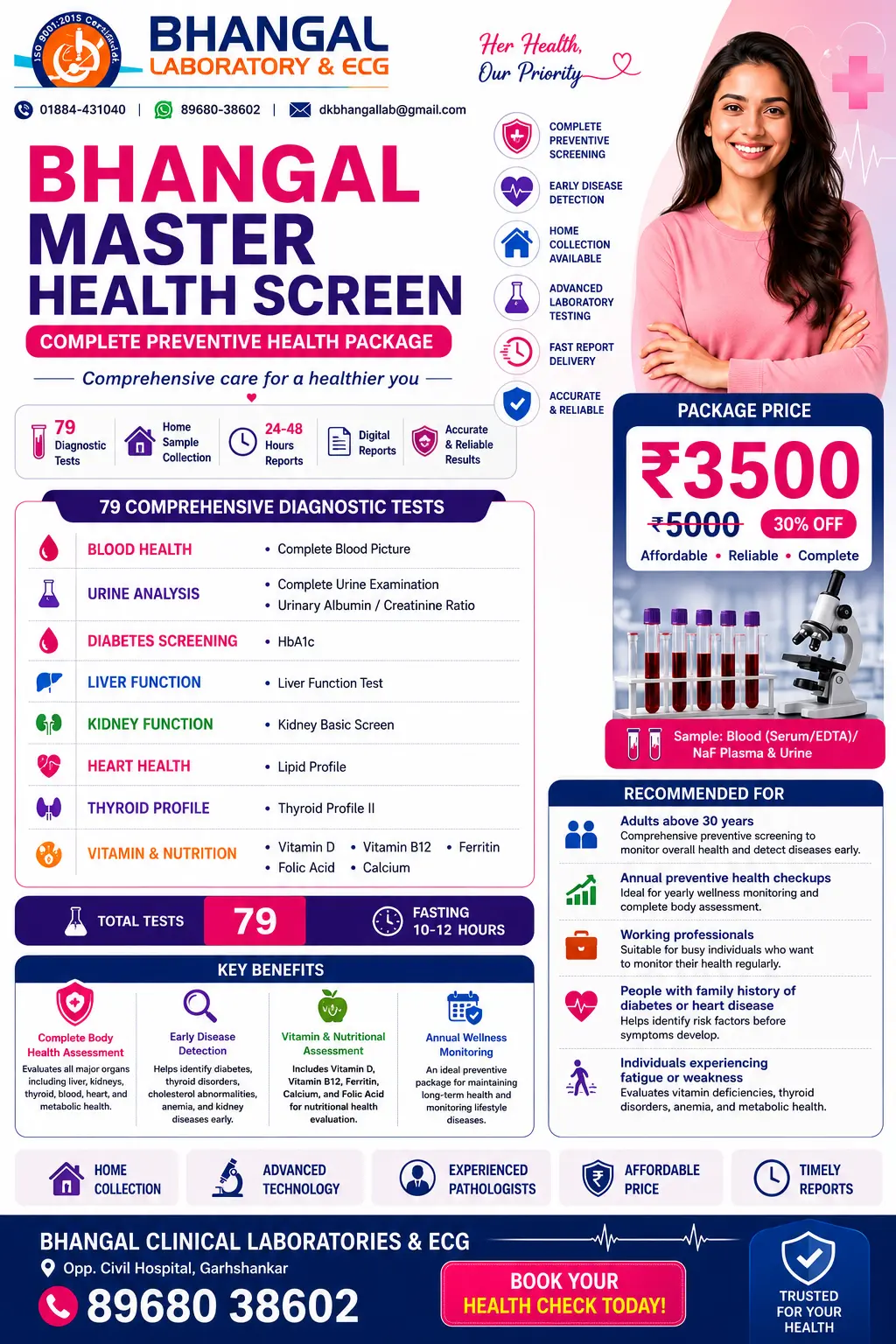
Bhangal Master Health Screen
Starting From